Heatstroke in dogs: signs and first aid
How to recognise heatstroke in dogs, which dogs are most at risk, why exercise causes more cases than hot cars, and the 'cool first, transport second' first aid that can save a life.
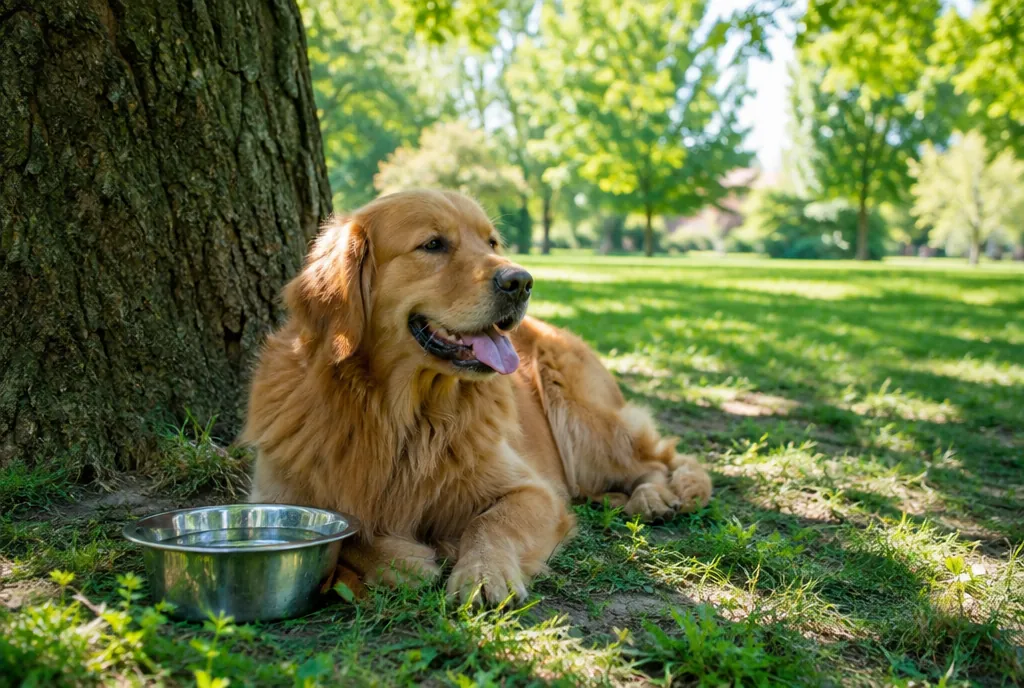
Heatstroke is an emergency, and acting quickly makes a real difference. This guide follows the RSPCA's current advice and research from UK veterinary records.
If your dog is overheating right now: stop all activity, move them into the shade, start cooling them with water straight away, then call your vet and take them in. Details are in the first-aid steps below.
Know the signs
The RSPCA lists these signs of heatstroke:
- panting heavily, or noisy, fast breathing
- drooling that is thicker and stickier than usual
- red gums and tongue
- weakness, lethargy or confusion
- vomiting or diarrhoea (blood in the stool is a sign of more severe heatstroke)
- muscle spasms or seizures
- collapse
Which dogs are most at risk?
According to the RSPCA, the risk is higher for:
- flat-faced (brachycephalic) breeds, which can't pant as effectively because of their shorter snouts
- dogs with thick coats
- puppies and older dogs
- dogs with health conditions, especially breathing problems
Exercise is the biggest cause, not hot cars
A 2020 study of veterinary records for more than 900,000 UK dogs found that exercise caused 74.2% of heat-related illness cases, hot weather 12.9% and being left in a vehicle 5.2%. Brachycephalic dogs had higher odds of all three types. In the authors' words, dogs don't die just in hot cars.
So on hot days, the walk and the game of fetch deserve as much caution as the car. The RSPCA's summer advice centres on plenty of shade and water and on recognising the warning signs early.
Hot cars are still deadly: the RSPCA warns that when it's 22°C outside, a car can reach 47°C within an hour, and that parking in the shade or leaving the windows open doesn't make it safe.
First aid: cool first, transport second
Veterinary guidance now puts cooling before the trip to the vet. The RSPCA's steps:
- Stop and move to shade. End any exercise and get your dog somewhere cool.
- Cool with water. Pour water that is cooler than your dog over their neck, belly and inner thighs, avoiding the head. If you can, immerse them in cool water. For dogs that are unconscious, elderly or have health conditions, use room-temperature water instead.
- Add moving air. Fan your dog or move them into a breeze while you keep them wet.
- Then go to the vet. Once you have started cooling, drive to the vet in a cool, well-ventilated car, and call ahead so they are ready.
Myths that cost time
- "Never use cold water." The RSPCA says cold water rarely causes shock in an overheated dog, and a 2023 study of UK cases described the advice to avoid cold water as contrary to extensive evidence.
- "Drape wet towels over them." Damp towels laid on top can trap heat. Towels are fine underneath your dog. In the 2023 study, wet towels were the most common cooling method recorded (about half of cases), while only about 1 in 5 dogs were cooled at all before reaching the vet.
Prevention checklist
- Treat exercise in hot weather as the main risk, and stop at the first warning sign
- Provide plenty of shade and water
- Never leave your dog in a parked car
- Take extra care with flat-faced breeds, older dogs and dogs with health conditions
Sources
- RSPCA. How to Recognise & Treat Heatstroke in Dogs
- RSPCA. Dogs die in hot cars
- Hall EJ, Carter AJ, O'Neill DG. Dogs Don't Die Just in Hot Cars: Exertional Heat-Related Illness (Heatstroke) Is a Greater Threat to UK Dogs. Animals, 2020.
- Hall EJ, Carter AJ, Bradbury J, et al. Cooling Methods Used to Manage Heat-Related Illness in Dogs Presented to Primary Care Veterinary Practices during 2016–2018 in the UK. Veterinary Sciences, 2023.
Frequently asked questions
What are the first signs of heatstroke in a dog?
Heavy or noisy panting, drooling that is thicker than usual, red gums and tongue, weakness or lethargy, and confusion. It can progress to vomiting, diarrhoea, seizures and collapse.
Can I use cold water to cool an overheated dog?
Yes. The RSPCA says any water cooler than the dog helps and that cold water rarely causes shock. Use room-temperature water for elderly, unconscious or medically fragile dogs, and avoid wet towels draped over the dog.
Is it safe to leave a dog in a car with the windows open?
No. The RSPCA warns that at 22°C outside, a car can reach 47°C within an hour, and parking in the shade or opening windows does not make it safe.
Which dogs are most at risk of heatstroke?
Flat-faced (brachycephalic) breeds, dogs with thick coats, puppies, older dogs and dogs with health conditions, especially breathing problems.
Keep reading
More in Care →-
Care
How to brush your dog's teeth
A step-by-step plan to get your dog used to tooth brushing, how often to do it, which toothpaste is safe, and how to spot products with the VOHC seal.
-
Training
A simple puppy routine
A practical, easy-to-follow daily routine to help your puppy feel secure, learn faster and thrive, with potty breaks, naps, meals and short training sessions.
-
Training
How to introduce a cat and a dog
A calm, step-by-step plan for introducing a cat and a dog: separate spaces, scent swapping, barrier and leashed meetings, and the stress signs that mean slow down.